Oncology efficacy models

Maximizing Translational Value in Oncology Drug Development

Oncology drug development faces a persistent challenge: generating preclinical efficacy and pharmacodynamic data that are sufficiently robust, mechanistically informative and translational to guide clinical decisions. At CER Groupe, we design and execute customised preclinical oncology efficacy studies that integrate disease-relevant in vivo tumour models with supporting in vitro and cell-based assays, aligned with your mechanism of action, modality and development stage.

As both a research centre and a CRO, CER Groupe goes beyond standard catalogue models. We work with our partners to select, adapt or co-develop oncology models that capture tumour biology, immune context and pharmacodynamic readouts required to support go/no-go decisions, candidate ranking and IND-enabling strategies.

A disease-driven approach to oncology efficacy

Our oncology efficacy strategy is built on four core principles:

  • Mechanism-of-action driven model selection (tumour-intrinsic, immune-mediated or combination effects)
  • Integration of in vitro and in vivo data to strengthen pharmacodynamic interpretation
  • Clinically relevant endpoints (tumour growth, immune infiltration, biomarkers, functional readouts)
  • High customisation, including orthotopic implantation, dosing strategies, combination regimens and tailored biomarker panels

This approach supports programmes ranging from early proof-of-concept to advanced preclinical optimisation, across small molecules, biologics, antibodies, cell and gene therapies, and innovative modalities.

In vivo oncology efficacy & pharmacodynamic models

CER Groupe offers a broad portfolio of established and adaptable in vivo tumour models, covering solid tumours and selected haematological malignancies. Models can be executed as standalone efficacy studies or combined with imaging, immunomonitoring and pathology workflows to generate integrated pharmacodynamic datasets.

Syngeneic tumour models (immune-competent)

These models enable evaluation of immune-mediated mechanisms, combination strategies and tumour–immune interactions.

Available syngeneic models include:

  • B16 melanoma
  • 4T1 mammary carcinoma
  • CT26 colorectal carcinoma
  • MC38 colorectal carcinoma
  • Pan02 pancreatic adenocarcinoma
  • GL261 glioblastoma
  • A20 lymphoma
  • EL4 lymphoma
  • LLC1 Lewis lung carcinoma

Key readouts: Tumour growth inhibition, survival, immune-cell infiltration (FACS/IHC), cytokine profiling, tumour microenvironment characterisation.
Human tumour xenograft models (CDX)

Human cell line-derived xenografts support tumour-intrinsic efficacy assessment, dose–response relationships and combination approaches.

Available CDX models include:

  • U87 glioblastoma (orthotopic)
  • A549 lung carcinoma
  • H2023 lung carcinoma
  • HCT116 colorectal carcinoma
  • Colo205 colorectal carcinoma
  • A673 osteosarcoma
  • 143-B osteosarcoma
  • Hepatocellular carcinoma models (heterotopic and orthotopic)

Key readouts: Tumour volume (caliper/imaging), pharmacodynamic biomarkers, histopathology, IHC panels (e.g. proliferation, apoptosis).

Orthotopic and advanced tumour models

Where higher clinical relevance is required, CER Groupe supports orthotopic implantation strategies and advanced tumour settings.

Applications include:

  • Orthotopic brain tumours (glioblastoma)
  • Orthotopic pancreatic and liver tumour models
  • Metastatic dissemination assessment
  • Combination therapy and treatment sequencing studies

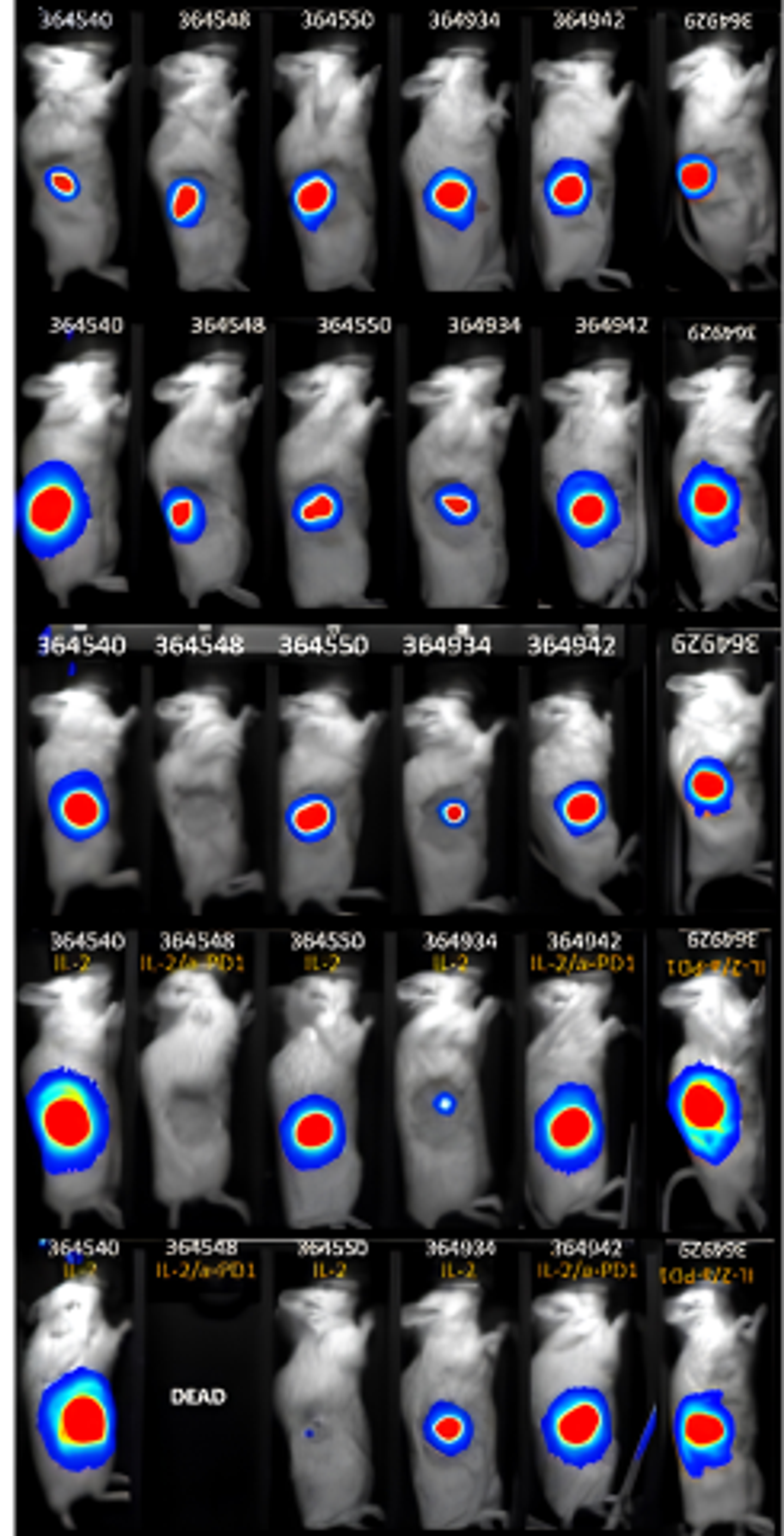
Key readouts: Bioluminescence or µCT imaging, survival analysis, organ-specific tumour burden, microenvironment analysis.

Imaging-enabled oncology studies

Imaging approaches can be integrated to support non-invasive tumour monitoring and pharmacodynamic assessment.

Imaging modalities include:

· Bioluminescence / fluorescence imaging

· µCT for structural assessment (where relevant)

In vitro & cell-based assays supporting oncology efficacy

In vitro and cell-based assays are used to support candidate selection, mechanism validation and biomarker identification prior to or alongside in vivo studies.

Cell characterisation & functional profiling
  • Cell phenotyping by flow cytometry
  • Immunocytochemistry / immunofluorescence
  • Morphological analysis
  • Cell identity confirmation and immune phenotyping
Viability, proliferation & cytotoxicity
  • MTT / WST-1 assays
  • LDH release
  • Apoptosis / necrosis profiling (Annexin V/PI, caspase-3/7)
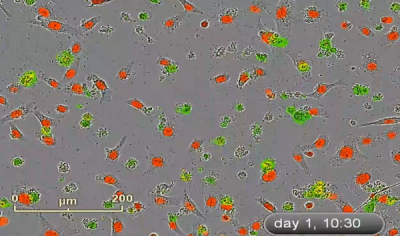
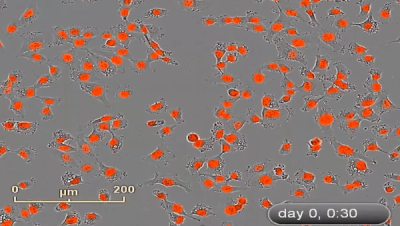
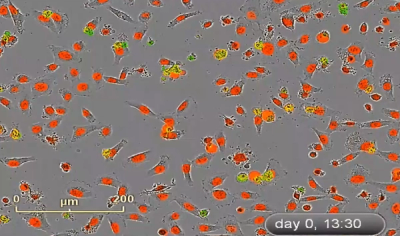
  • Live-cell kinetic monitoring (e.g. Incucyte-based assays)
Immunomodulation & tumour–immune interaction
  • PBMC-based assays
  • Immune-cell modulation and activation profiling
  • Secretion profiling (MSD multiplex, ELISA)
  • Gene expression analysis (qPCR)
These assays enable early pharmacodynamic insights and help refine in vivo study design, dosing and biomarker strategies.

Biomarkers, endpoints & translational strategy

Oncology studies at CER Groupe integrate multi-level readouts, including:

  • Tumour growth and survival
  • Imaging-based tumour burden
  • Immune profiling (flow cytometry, cytokines)
  • Histopathology and IHC panels
  • Molecular and gene expression markers

This integrated strategy strengthens translational relevance and supports regulatory and clinical positioning.

Custom model development & co-development

Beyond standard models, CER Groupe offers co-development of oncology models for:

  • First-in-class mechanisms
  • Niche or rare tumour indications
  • Innovative therapeutic formats (cell & gene therapies, biomaterials)

This includes feasibility assessment, pilot validation and iterative optimisation in close collaboration with your scientific teams.

Why choose CER Groupe for oncology efficacy studies?

Research centre + CRO: scientific depth and executional robustness

  • Highly customised oncology models, not catalogue-driven
  • Integrated in vitro, in vivo, imaging and biomarker capabilities
  • GLP-like data integrity supporting downstream development
  • Multi-species facilities and experienced oncology teams
  • Strong experience with immuno-oncology and advanced modalities