
Preclinical musculoskeletal

efficacy models

Musculoskeletal disorders encompass a broad range of chronic and degenerative conditions affecting joints, cartilage, bone, muscle, tendons. Diseases such as osteoarthritis and inflammatory joint disorders involve complex structural, cellular and inflammatory components, making the generation of meaningful preclinical efficacy and pharmacodynamic data particularly challenging.

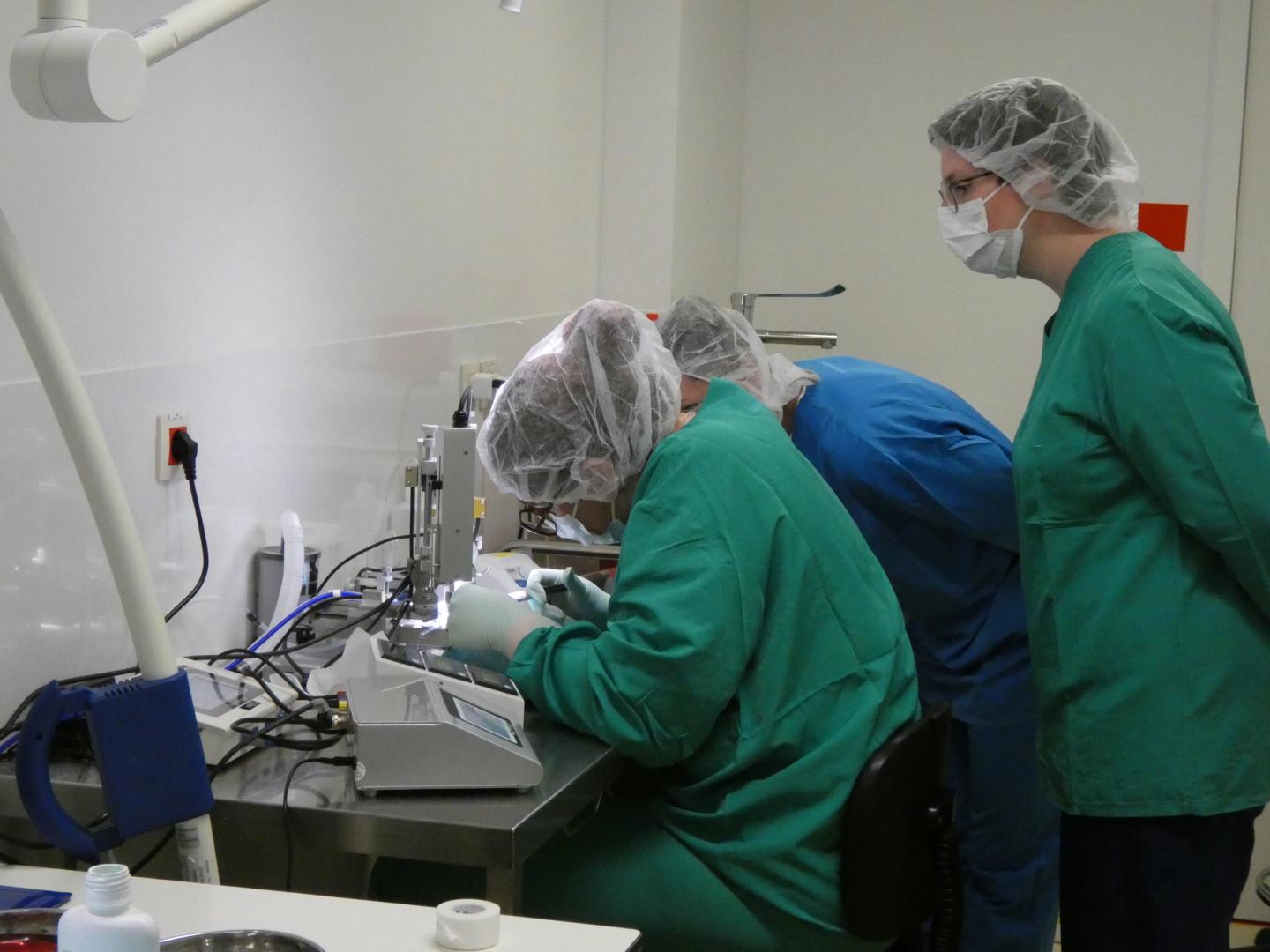
At CER Groupe, we design and conduct customised preclinical musculoskeletal efficacy studies, integrating in vivo disease and injury models with supporting in vitro and cell‑based assays. As both a research centre and a CRO, we support pharmaceutical, biotechnology and medtech developers with translationally relevant data to guide candidate selection, dose optimisation and progression toward clinical development.

A disease‑driven approach to musculoskeletal efficacy

Our musculoskeletal strategy is built on:

  • Mechanism‑oriented model selection, addressing structural damage, inflammation and regeneration
  • Integration of in vitro and in vivo pharmacodynamic readouts
  • Clinically relevant endpoints, including imaging, histopathology and functional assessments
  • High customisation, allowing adaptation of surgical procedures, induction methods, dosing regimens and biomarker panels
  • Integration of mobility and pain‑related functional assessments to capture clinically relevant outcomes beyond structural repair

This approach supports programmes from early proof‑of‑concept to advanced preclinical optimisation, across small molecules, biologics, cell‑based therapies, biomaterials and medical devices.

In vivo musculoskeletal efficacy & pharmacodynamic models

CER Groupe offers a portfolio of established and adaptable in vivo models addressing joint degeneration, bone pathology and regenerative processes.

Osteoarthritis and joint degeneration models

These models support evaluation of disease‑modifying, anti‑inflammatory and regenerative strategies.

Available models include:

  • Surgical osteoarthritis models (e.g. pMMx, ACLT, DMM)
  • Chemical‑induced osteoarthritis models (e.g. MIA)
  • Collagen‑induced arthritis (CIA) (inflammatory component)
  • Age‑related spontaneous osteoarthritis models

Key readouts: Joint swelling and clinical scores, µCT and/or imaging‑based structural assessment, cartilage degradation scoring, inflammatory biomarkers, histopathology, mobility and pain‑related functional endpoints including gait analysis, dynamic weight bearing (DWB), EVF and behavioural pain assessment.

Bone and cartilage regeneration models

These models support evaluation of repair, regeneration and biomaterial integration.

Available models include:

  • Critical and sub‑critical size bone defect models
  • Osteochondral defect models
  • Ovariectomy (OVX)‑based bone loss models (osteoporosis‑related)

Key readouts: µCT‑based bone and cartilage analysis, histology and histomorphometry, biomaterial integration, tissue remodelling markers

Functional and pain‑related assessments

Where relevant, structural data can be complemented with dedicated functional and pain‑related assessments to evaluate therapeutic benefit from the animal perspective

Available assessments include:

  • Mobility and locomotion analysis (gait analysis, movement patterns)
  • Dynamic weight bearing (DWB) and static weight distribution
  • Pain‑related behavioural assessment
  • Mobility and functional performance endpoints

In vitro & cell‑based assays supporting musculoskeletal programmes

In vitro and cell‑based assays are used to support mechanism validation, regenerative potential assessment and safety profiling, either prior to or alongside in vivo studies.

MSC characterisation and trilineage differentiation
  • Mesenchymal stromal/stem cell (MSC) phenotyping (CD73/CD90/CD105⁺; CD34/CD45⁻)
  • Osteogenic differentiation assays
  • Alizarin Red staining, ALP activity
  • Gene expression (RUNX2, OCN)
  • Adipogenic differentiation assays
  • Oil Red O staining
  • Gene expression (PPARγ, FABP4)
  • Chondrogenic differentiation assays
  • Alcian Blue / Safranin O staining
  • GAG quantification
  • Gene expression (SOX9, COL2A1)

These assays support programmes targeting cartilage repair, bone regeneration and cell‑based therapies.

Cell viability, cytotoxicity and selectivity

To support safety and biocompatibility interpretation:

  • Cell viability assays (MTT, WST‑1)
  • LDH release
  • Apoptosis / necrosis profiling (Annexin V/PI, caspase‑3/7, TUNEL)
  • Live‑cell kinetic toxicity monitoring

These assays are particularly relevant for biomaterials, implants and regenerative approaches.

Inflammatory and functional cell‑based assays
  • Where musculoskeletal pathology involves an inflammatory component:
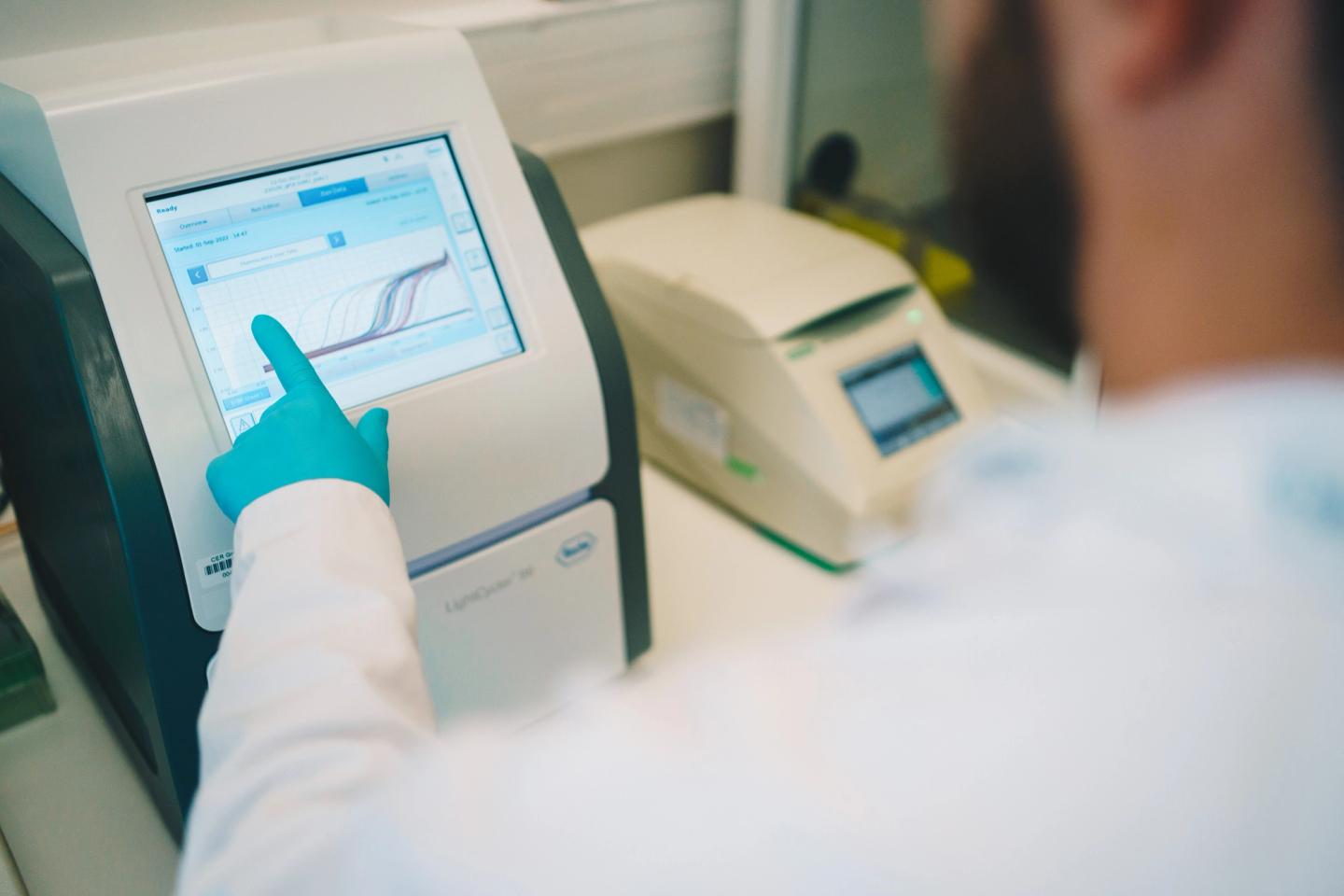
  • Cytokine profiling (MSD multiplex, ELISA)
  • Gene expression analysis (qPCR)
  • Cell migration and functional assays

Biomarkers, endpoints & translational strategy

Musculoskeletal studies at CER Groupe integrate multi‑level pharmacodynamic readouts, including:

  • Structural imaging (µCT and related modalities)
  • Histopathology and cartilage/bone scoring
  • Molecular and gene expression biomarkers
  • Inflammatory mediators
  • Functional and behavioural endpoints

This integrated strategy enhances translational relevance and alignment with clinical musculoskeletal outcomes.

Custom model development & co‑development

For programmes requiring non‑standard or highly specific musculoskeletal models, CER Groupe offers custom model development and co‑development, including:

  • Adaptation of surgical or defect models
  • Development of bespoke regenerative or biomaterial evaluation setups
  • Integration of novel biomarkers or functional endpoints
  • Pilot feasibility and validation studies

This approach is particularly suited for innovative regenerative medicine and medtech programmes.

Why choose CER Groupe for musculoskeletal studies?

  • Research centre + CRO, combining scientific expertise and execution
  • Well-equipped pain and mobility platform
  • Highly customised musculoskeletal models, beyond standard catalogues
  • Strong experience in joint degeneration, bone biology and regeneration
  • Integrated in vitro, in vivo, imaging and biomarker platforms
  • GLP‑like data integrity supporting downstream development
  • Experience across pharma, biotech, nutraceutic and medtech programmes