
GLP Veterinary Studies
Toxicology, Safety & ResiduesCER Groupe delivers GLP-certified toxicology, safety and residue studies for veterinary medicinal products - fully aligned with VICH and CVMP requirements, across 12 species including large production animals.
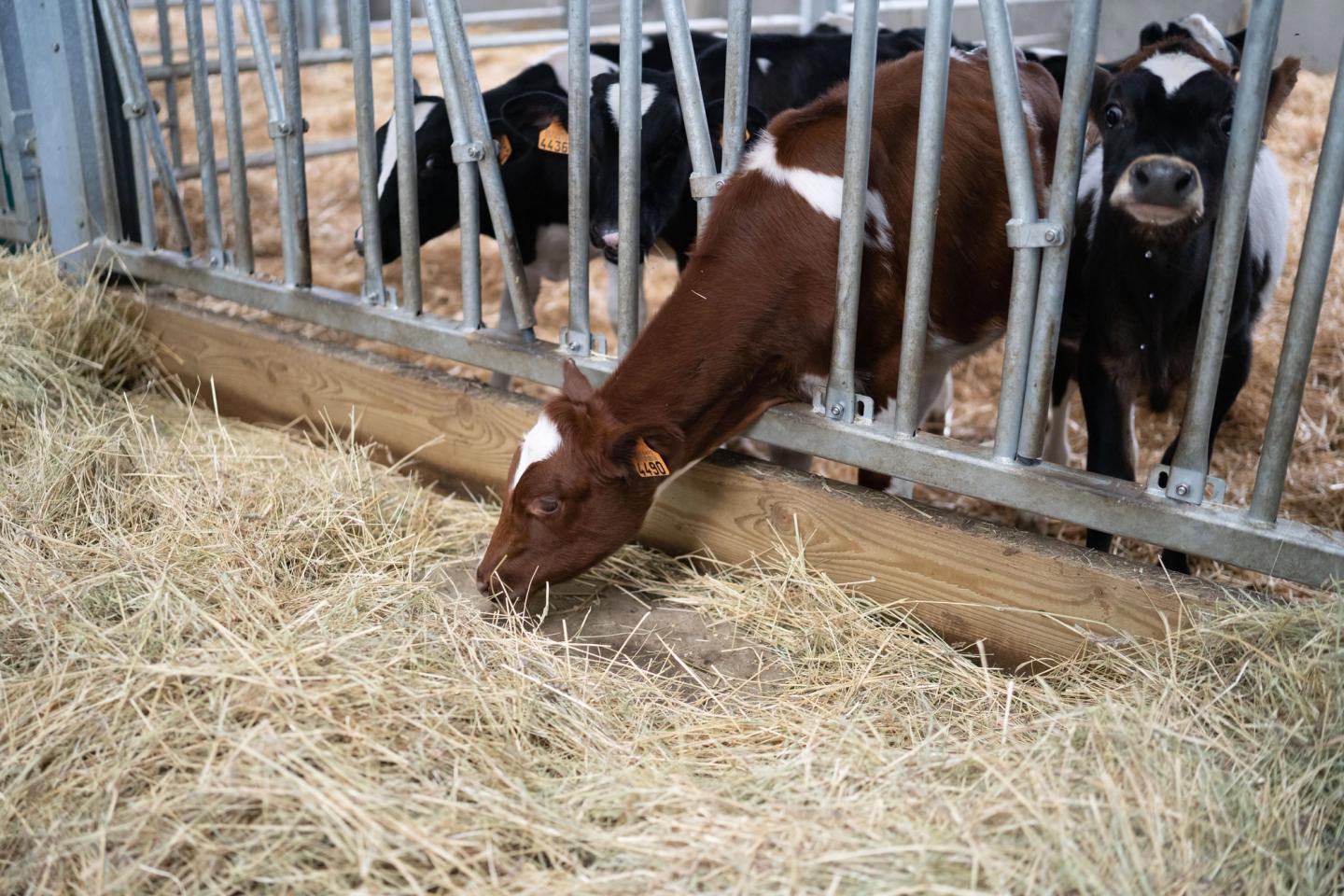
Non-Clinical & Clinical Studies for Veterinary Medicinal Products
Non-clinical studies are designed to support dose selection, margin of safety, and benefit–risk assessment in veterinary indications.
- Target animal safety studies
- Single, Repeated-dose and tolerance studies
- Chronic toxicity (as required)
- Reproductive and developmental toxicity
- Local tolerance and safety pharmacology
- NOAEL and margin of safety determination
- PK/TK in target species
Beyond non-clinical safety, CER Groupe supports veterinary clinical studies in target species, providing the evidence needed for your regulatory dossier.
- Efficacy and safety evaluation in target species
- Dose confirmation and clinical tolerance
Residue Depletion Studies - National Reference Laboratory
As National Reference Laboratory for veterinary drug residues, CER Groupe provides fully GLP-compliant residue depletion studies to support MRL determination and withdrawal period assessment.
- Residue depletion and MRL support
- Withdrawal period determination
- Marker residue identification
- Analytical quantification in edible tissues and products
All studies conducted under full GLP compliance.
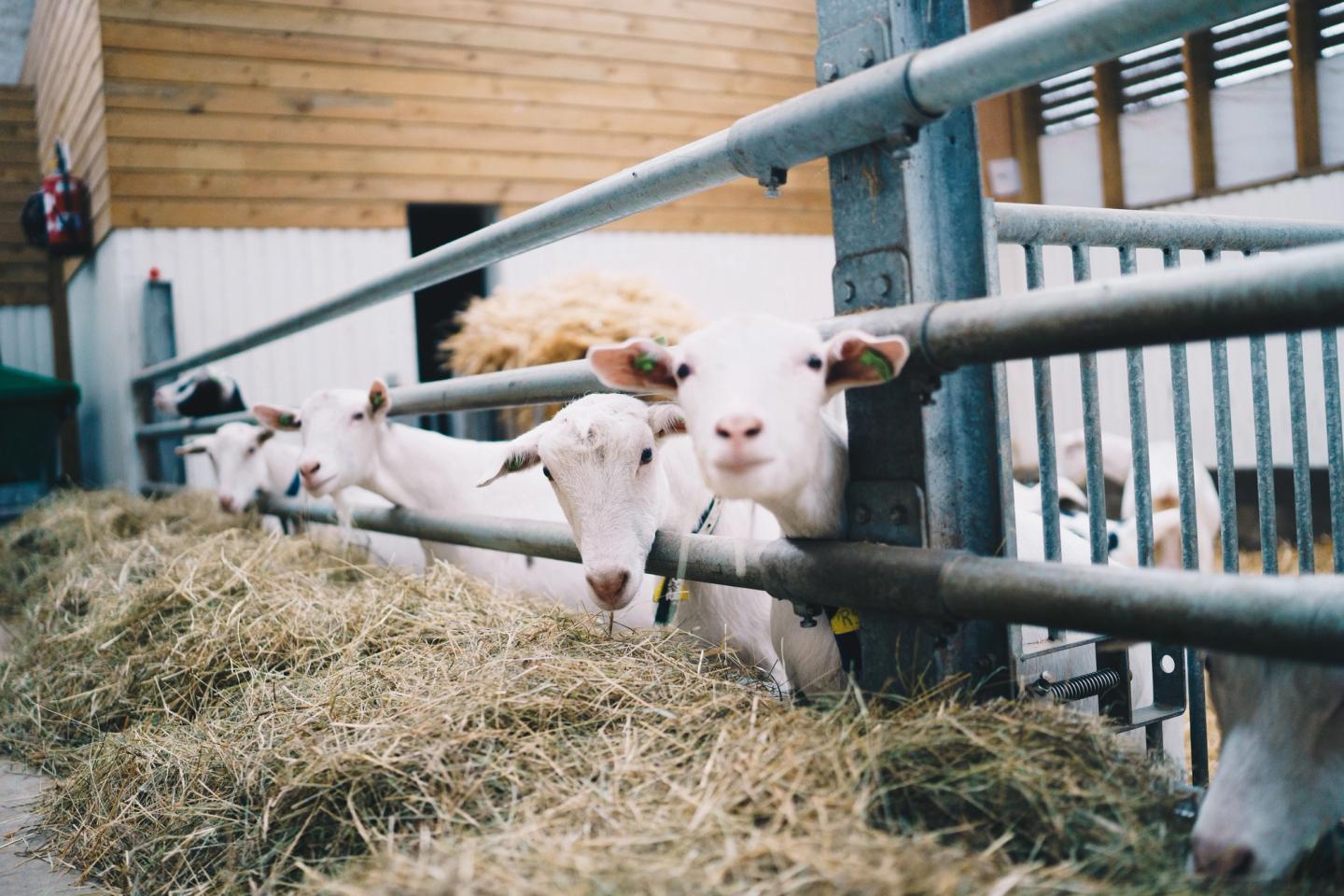
Species Coverage
Our veterinary studies are conducted across a broad range of species, covering both small laboratory animals and large production animals - enabling the most relevant model selection for your program.
- Rodents: mice, rats, guinea pigs
- Lagomorphs: rabbits
- Livestock & poultry: cattle, sheep, goats, poultry
- Biomedical models: dogs, pigs, mini pigs
Biological & Environmental Matrices
We offer extensive expertise in analyzing a wide variety of biological and environmental samples, including:
- Tissues: Muscle, liver, kidney,
- Animal Products: Milk and eggs.
- Environmental & Nutrition: Feed and various environmental matrices (as applicable).
Residue studies are also applicable to crop protection and feed safety, where pesticide residues must be quantified in feed matrices.